
Article: How Parents Can Encourage Creativity at Home
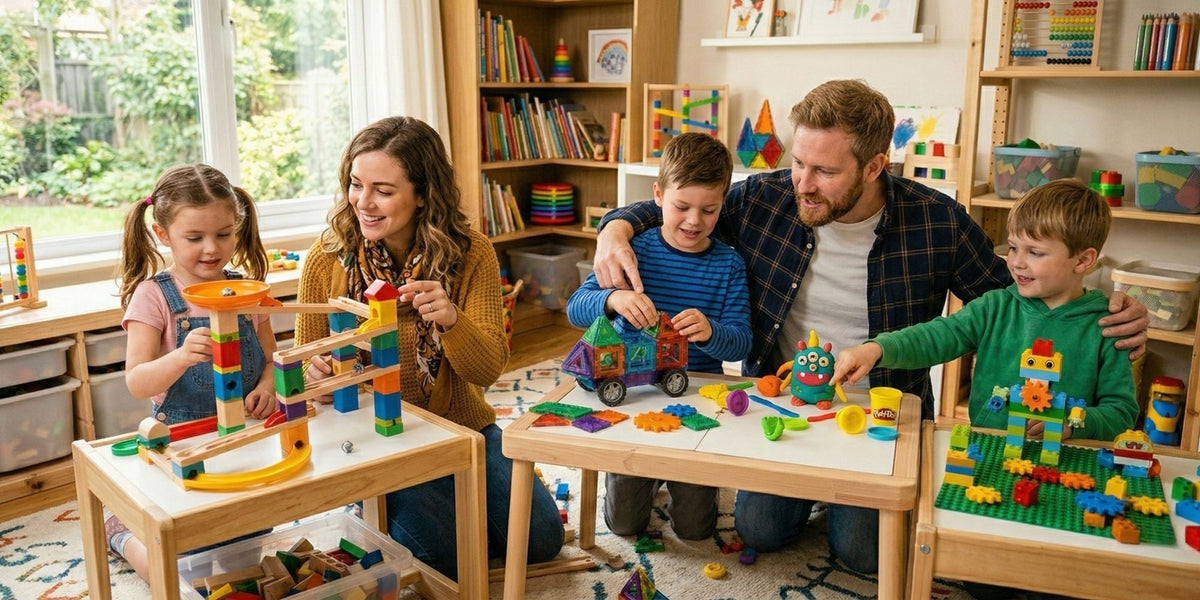
How Parents Can Encourage Creativity at Home
Creativity is more than just painting pictures or crafting with paper — it’s a powerful life skill that helps children solve problems, express emotions, and think independently. The good news? Parents don’t need fancy tools or expensive classes to nurture creativity. A supportive home environment can make all the difference. Here’s how you can encourage creativity naturally and effectively. 🎨
1. Create a “Yes” Space for Creativity
Children are more likely to explore when they feel free to experiment. Designate a small corner at home where they can draw, build, and imagine without worrying about making a mess. This could include:
-
Art supplies like crayons, paper, and glue
-
Building blocks or recycled materials
-
A small table or floor mat
When kids know they have a safe place to create, they become more confident in trying new ideas. 🧩
2. Encourage Open-Ended Play
Toys that do everything for children often limit imagination. Instead, provide items that can be used in multiple ways:
-
Cardboard boxes
-
Clay or play dough
-
Dress-up clothes
-
Blank notebooks
A cardboard box today could become a spaceship tomorrow. Open-ended play allows children to invent stories and think creatively. 🚀
3. Ask Questions, Not Give Answers
When your child shows you something they made, try asking:
-
“How did you come up with this idea?”
-
“What happens next in your story?”
-
“Can you think of another way to use this?”
These questions encourage deeper thinking and help children expand their creativity instead of seeking approval alone. 💡
4. Limit Screen Time (But Use Technology Wisely)
Too much passive screen time can reduce creative thinking. However, technology can also inspire creativity when used actively:
-
Digital drawing apps
-
Story-making tools
-
Music creation apps
Balance is key. Encourage children to create, not just consume. 📱➡️🎶
5. Celebrate Effort, Not Perfection
Creativity thrives when children feel safe making mistakes. Instead of saying “That’s perfect,” try:
-
“I love how you used different colors.”
-
“You worked really hard on this.”
-
“Tell me about your idea.”
This builds confidence and encourages experimentation. 🌈
6. Encourage Creative Problem-Solving
Daily routines can become creative opportunities:
-
Ask them to help design a new sandwich
-
Let them arrange furniture for a “mini makeover”
-
Invite them to create a family game
These activities show children that creativity isn’t limited to art — it’s part of everyday life. 🏡
7. Be Creative Together
Children learn best by example. Try:
-
Drawing together
-
Writing stories as a family
-
Cooking and decorating food
-
Building DIY projects
Shared creativity also strengthens family bonds. ❤️
8. Allow Boredom
It may sound surprising, but boredom often sparks creativity. When children aren’t constantly entertained, they begin inventing games and ideas on their own. Give them time to think, imagine, and create. 🌟
Final Thoughts
Encouraging creativity at home doesn’t require perfection — just patience, openness, and encouragement. By giving children freedom to explore, supporting their ideas, and celebrating their efforts, parents can help raise confident, imaginative thinkers ready to take on the world.
Creativity begins at home — and with small steps, every parent can nurture it. ✨

Written by priti vanigotta

